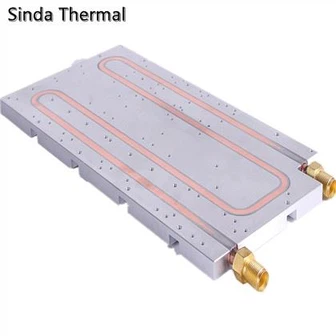
mata reka bentuk ketulan LED luar pintu
Due to the complex working environment of LED outdoor lighting lamps, affected by natural conditions such as temperature, ultraviolet, humidity, rain on rainy days, sand and dust, chemical gas and so on, over time, it will cause serious LED light failure. Therefore, in the end, outdoor lighting designers should consider the impact of these external environmental factors on LED outdoor lighting lamps.

1. Cangkang dan heatsink direka secara keseluruhan untuk menyelesaikan masalah pemanasan LED. Kaedah ini lebih baik. Secara amnya, aloi aluminium atau aluminium, aloi tembaga atau tembaga dan aloi lain dengan pengaliran haba yang baik dipilih. Pelesapan haba termasuk pelesapan haba perolakan udara, pelesapan haba penyejukan angin kuat dan pelesapan haba paip haba. Pilihan kaedah pelesapan haba mempunyai kesan langsung ke atas kos lampu. Ia harus dipertimbangkan secara menyeluruh dan skim terbaik harus dipilih bersama-sama dengan produk yang direka.

2. Pada masa ini, kebanyakan lampu LED (terutamanya lampu jalan) yang dihasilkan dipasang dengan led 1W secara bersiri dan selari. Kaedah ini mempunyai rintangan haba yang lebih tinggi daripada produk dengan teknologi pembungkusan termaju, dan bukan mudah untuk menghasilkan-lampu berkualiti tinggi. Atau modul 30W, 50W atau lebih besar digunakan untuk pemasangan untuk mencapai kuasa yang diperlukan. Bahan pembungkusan LED ini dibungkus dengan resin epoksi dan gel silika. Perbezaan antara kedua-duanya ialah pembungkusan resin epoksi mempunyai rintangan suhu yang lemah dan mudah penuaan dalam jangka masa yang lama. Pembungkusan gel silika mempunyai rintangan suhu yang baik, jadi perhatian harus diberikan kepada pemilihan semasa menggunakan.
It is better to use multi chip and heatsink as a whole, or use aluminum substrate multi chip packaging, and then connect it with the heatsink through phase change material or heat dissipation silicone grease. The thermal resistance of the product is one to two less than that of the product assembled with LED devices, which is more conducive to heat dissipation. For lamps using LED module, the module substrate is generally copper substrate. Good phase change material or good thermal grease shall be used for its connection with the external heatsink to ensure that the heat on the copper substrate can be transmitted to the external radiator in time. If it is not handled well, it is easy to accumulate heat, resulting in too high temperature rise of module core and affecting the normal operation of LED chip.

3. Radiator is a key component of LED lamps. Its shape, volume and heat dissipation surface area should be designed to achieve benefits. If the heatsink is too small, the working temperature of LED lamps is too high, which will affect the luminous efficiency and service life. If the heatsink is too large, it will consume more materials, increase the product cost and weight, and reduce the competitiveness of products.